On this page
Most brand films tell you what a company does. Ours starts by telling you what you already have, and then that it isn’t enough. Everything in the cut follows from that one decision. Most of the work was deciding what to leave out.
We threw out the first script
The first version described us the way most companies describe themselves. Digital architects. A launchpad for transformation. Every word was defensible, and none of it was ours.
Any company could have said it. That is exactly the problem the film is about, so it couldn’t open the film.
Digital architects.
A launchpad for transformation.
You have the knowledge. Not enough.
The rewrite had one rule. If another company could say a line, the line goes.
Start with what the viewer already has
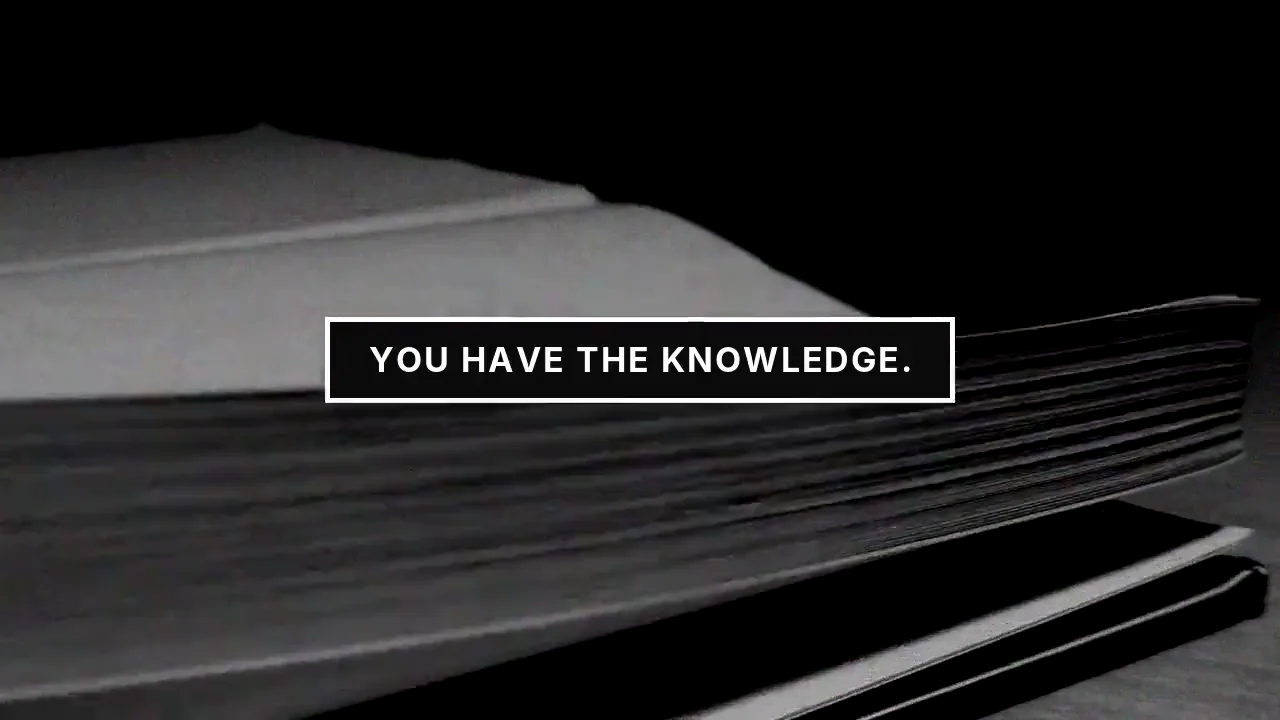
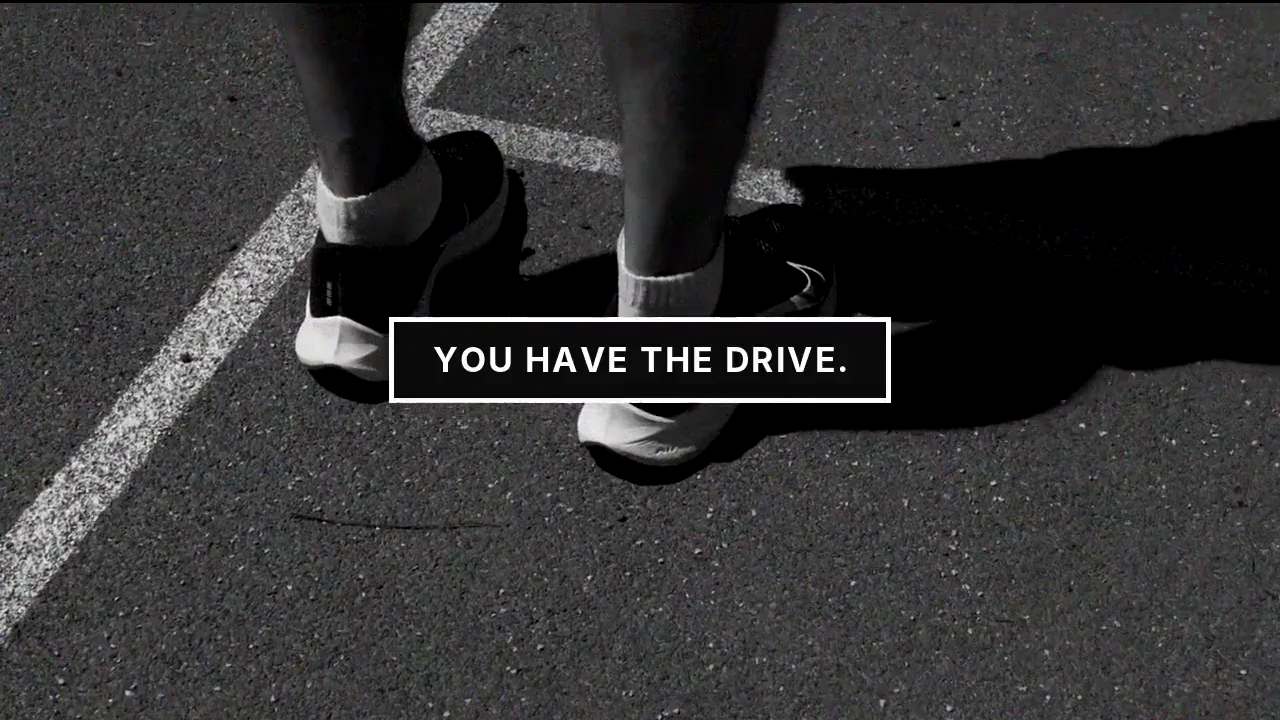
The film opens on three things most companies already have: knowledge, drive and a platform. It grants each one, then takes it away.
 0:00
 0:02
 0:04
It’s a turn, not an insult. The viewer agrees with the first half of every line, which is why the second half lands. By the third time, “Still not enough” needs no explaining.
And the answer isn’t a product. It’s a team that builds it with you. Everything after that is what the team builds.
One colour, only for the answer
The film is black and white, apart from our green. The green never decorates. It lands only where the film answers its own question: the second “Not enough”, “AI agents”, “Only a few build exceptional”, “We’re the few.”
Only a few build exceptional.
Hold a colour back that long and people learn what it means without being told. By the end, green is the point.
It’s also why the film’s page is the one dark page on our site. Everywhere else we’re warm paper. There, for one minute, we aren’t.
Show it, don’t caption it
Where a picture could carry the idea, we let it. “AI gives everyone average” plays over a crowded station, everyone moving the same way. Then a wall of one word. Then one figure, in green.
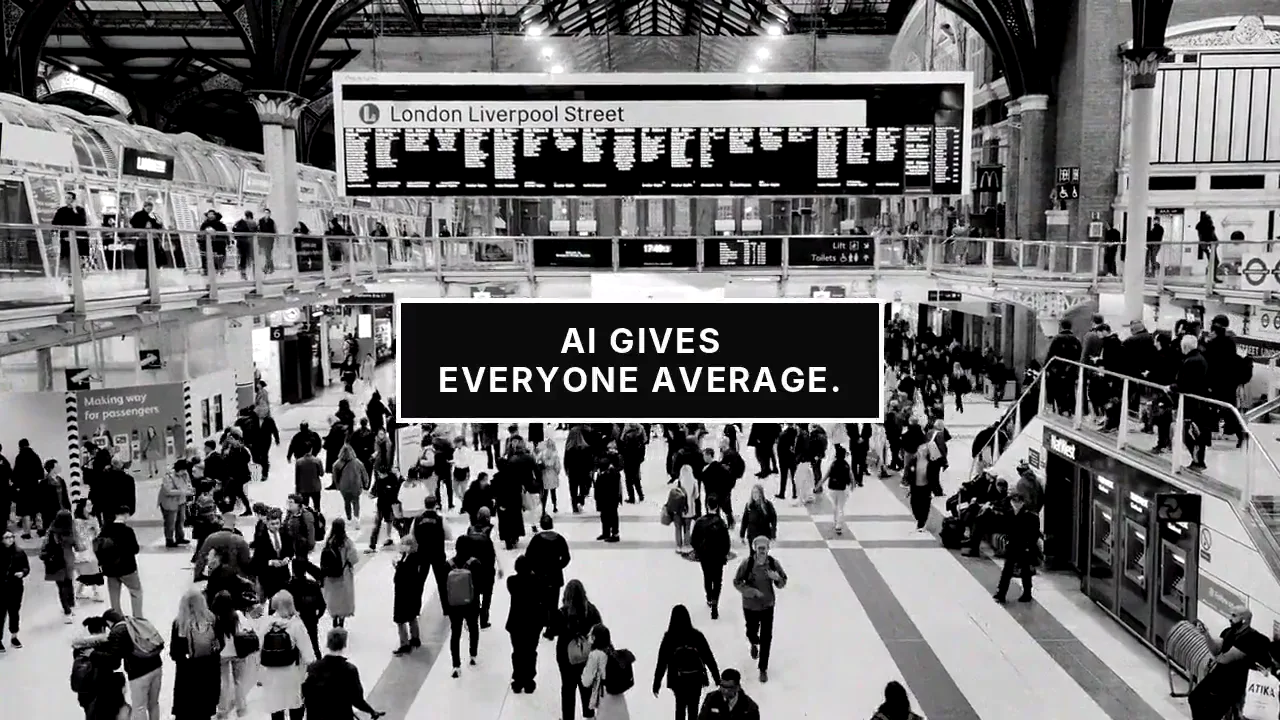 0:40
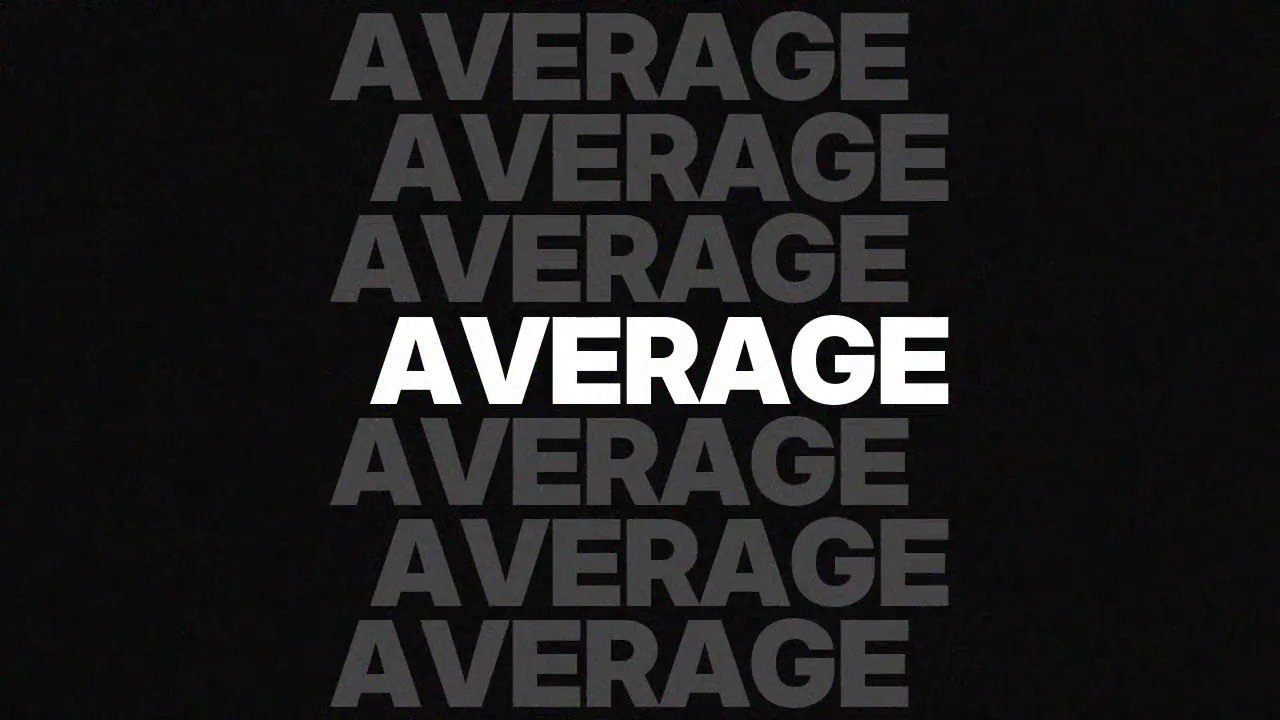 0:42
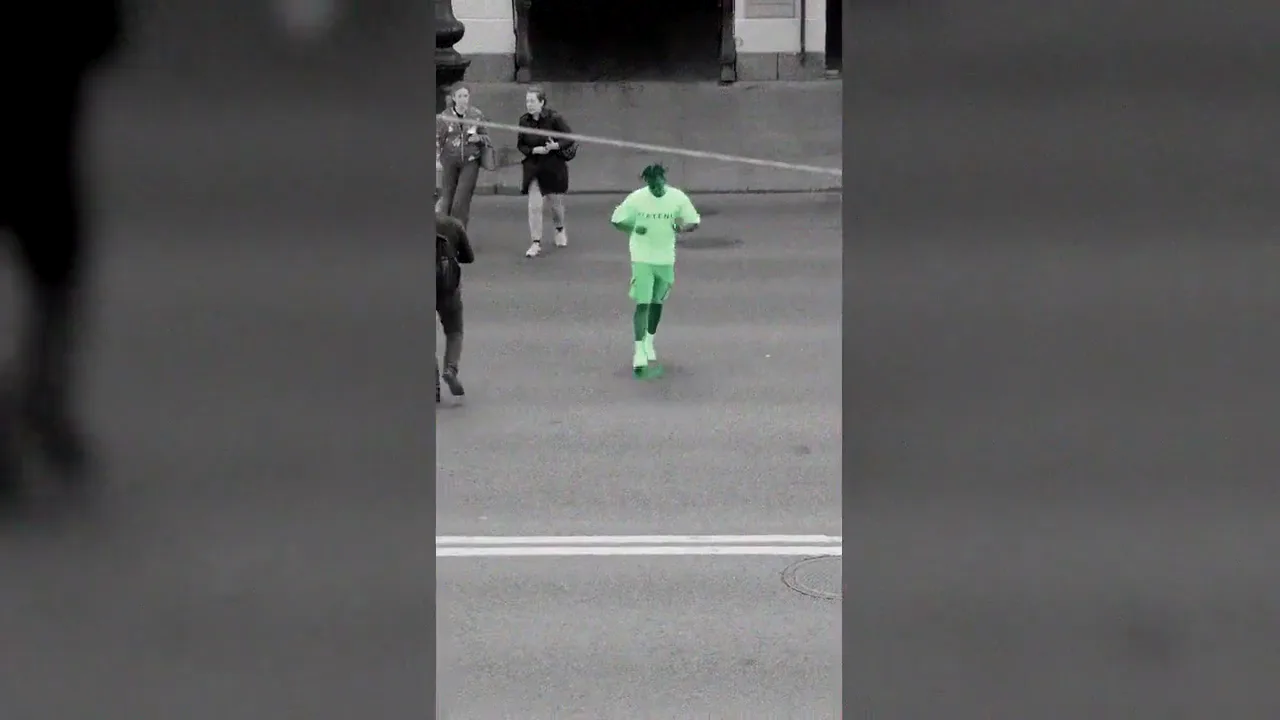 0:43
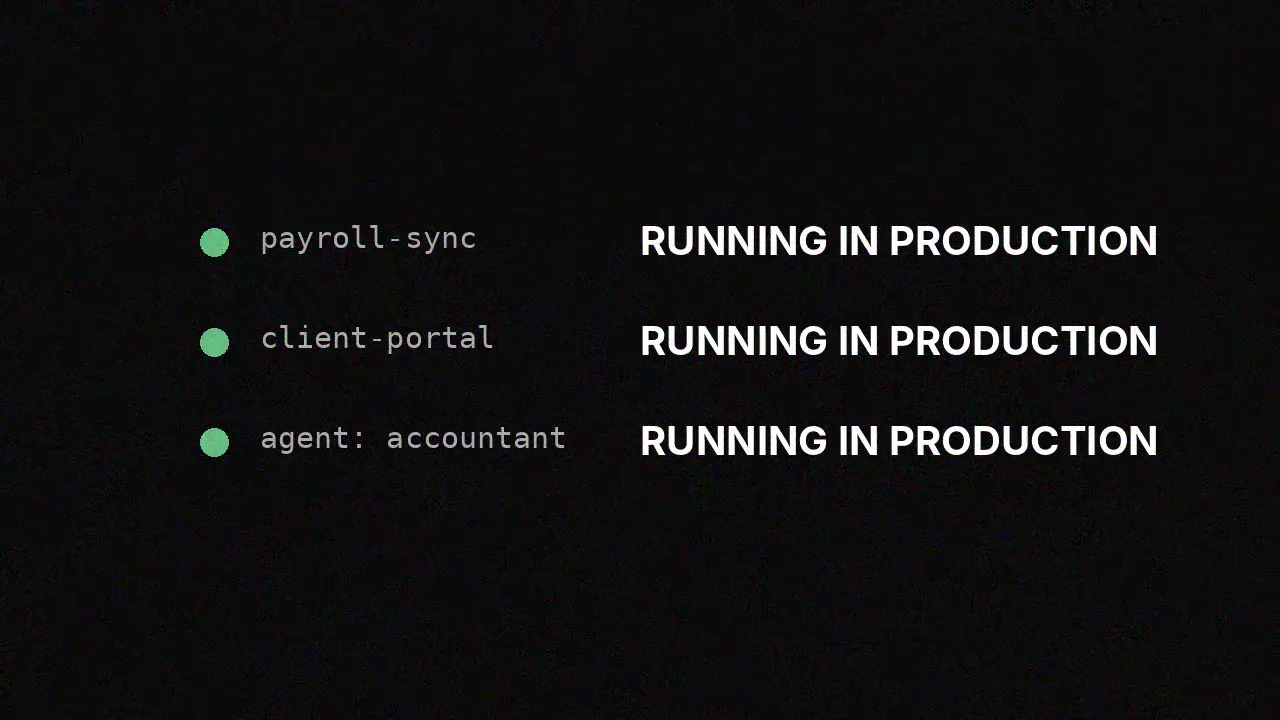
“Running in production” isn’t a slogan in the film either. It appears as a status readout, the way an engineer would see it, because that screen is where the promise is kept or broken.
 0:29
“By 2030” became “The next decade”
The approved script said “By 2030”. The final cut doesn’t.
By 2030, average won’t be enough.
The next decade. Average won’t be enough.
A date invites an argument about the date. A decade is a horizon: far enough to be true, near enough to act on. It also starts now, which a year on a calendar never quite does.
 0:36
The pause before “We’re the few”
One direction note decided the ending: leave a short beat after “Only a few build exceptional.” before “We’re the few.”
- AI gives everyone average.
- Only a few build exceptional.
- BEAT
- We’re the few.
- Sogody.
Without it, the last line reads as a slogan. With it, the viewer has a moment to ask “who?”, and the film answers.
Saying it would be average too
A film that tells companies to build exceptional is easy to make. So before it went out, we became the first client of our own agents. OFFHOURS keeps our books, runs our HR and manages our office.
That’s the test we hold the film to. Every line in it has to be something we already do.